Best miniature paint brushes
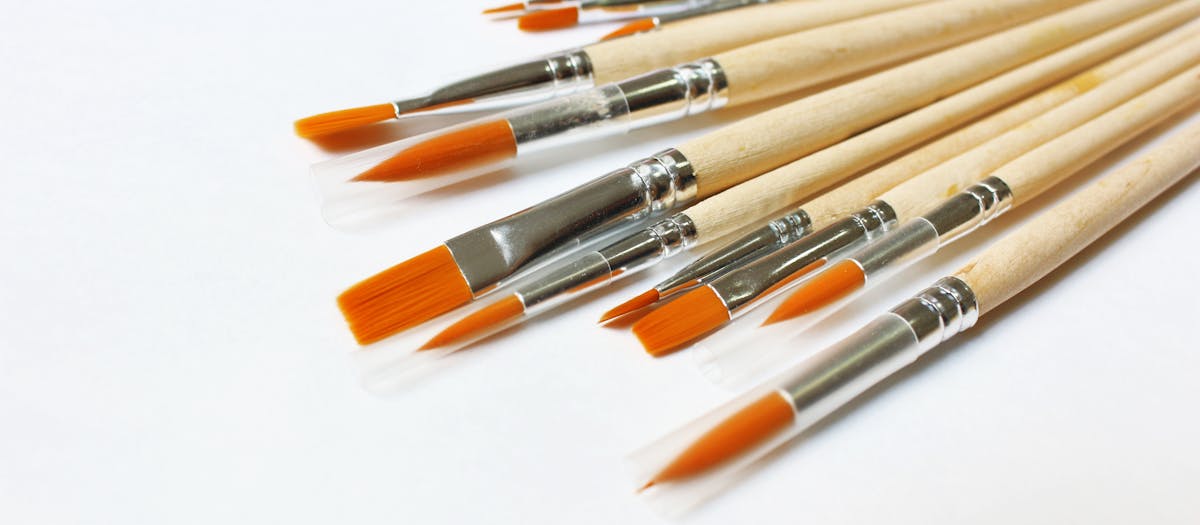
A brush is the cheapest upgrade in the hobby and the one that cleans up your work fastest. This guide compares brushes on the things that decide how they paint: bristle, the sizes included, tip retention, and handle — for synthetic and sable, from fine detail to basecoats and drybrushing. The headline lesson is simple: buy for a brush that holds its point, and look after it, and a few brushes will outpaint a drawer full.
A note on how to read this. The right brush depends on what you paint and how careful you are with care. So the value here is the framework — what each spec changes — so you can shortlist a few brushes that match your work, then compare them. Read the framework first, then look at the picks.
How to choose a brush
Five things decide whether a brush suits you. Run any brush through these — they are the columns in the comparison below.
Bristle — quality over everything
The bristle is the brush. Fine, well-made bristles form a sharp point and release paint evenly; coarse ones splay and drag. This is what you are really paying for, and it drives the next four specs. The brushes hub breaks down brush anatomy if the parts are new.
Sizes included — a general, a detail and a drybrush
A useful kit covers three jobs: a general brush around size 1 or 2 for basecoats and larger areas, a detail brush around size 0 for eyes and fine lines, and a stiffer brush for drybrushing. A set that bundles these sensibly beats buying one oddly sized brush. More sizes are nice later, but three cover the work.
Tip retention — the spec that decides clean lines
Tip retention is whether the bristles snap back to a point after every stroke. It is the single most useful quality in a miniature brush, because a brush that holds its point paints a crisp line late in a session, while one that splays smudges. Buy for tip retention first and size second — a larger brush with a good point beats a tiny one that splays.
Synthetic or sable — where to start and where to upgrade
Synthetic bristles are cheap, durable and forgiving, and the right place to start. Natural sable holds a finer point and carries more paint for smooth blending, at higher cost and with more care needed. Begin synthetic, learn the care habits, then add a sable detail brush when your control rewards it.
Handle — control up close
For miniatures a shorter, balanced handle gives better control than a long artist's handle, because you work close to the model. It is a small thing, but a comfortable handle is one you paint with for hours without fatigue.
The brushes compared
A short list of widely available brushes, compared on the five specs above. Specs are verified against manufacturer data and current Amazon listings — no hands-on testing claims, just the details that decide the fit.
| Best for | Bristle | Sizes included | Tip retention | Synthetic / sable |
|---|---|---|---|---|
| Best overall set | Hybrid — Rotmarder sable (detail) and Toray synthetic (large) + 1 Kolinsky Masterclass | 10 brushes: Insane Detail, Detail, Character, Regiment, Monster, Small Drybrush, Large Drybrush, Vehicle/Terrain, The Psycho, Kolinsky Masterclass | Good — triangular handles improve control; sable tips snap back to a fine point | Hybrid — 5 Rotmarder sable + 4 Toray synthetic + 1 Kolinsky |
| Best budget | Synthetic Korean filament — anti-shedding, fine point retention | 12 brushes: Liner 4/0–1, Round 4/0–1, Flat 0–1 | Good for synthetic — maintains fine point with proper care and reshaping | Synthetic |
| Best detail brush | Synthetic Taklon — vegan, mimics sable snap and absorption | 3 ultra-fine Super Detail brushes (approx. size 20/0–0) | Excellent fine point; reshape bristles while wet | Synthetic |
| Best sable | 100% Kolinsky Sable — finest Siberian weasel tail hair, handmade in England | Single brush — Short Handle Round #1 (sizes 000–4 sold separately) | Exceptional — rapier-like point, full belly snap, superior colour-holding capacity | Kolinsky Sable |
| Best drybrush | Soft goat hair with rounded dome tips | 3 brushes: Miniature Drybrush (7mm), Moderate Drybrush (12mm), Mighty Drybrush (15mm) | Dome-shaped cut retains shape; purpose-built for drybrushing technique | Natural (goat hair) |
Our top picks
Best overall set: The Army Painter Wargames Mega Brush Set — 10 Brushes incl. Kolinsky Masterclass

Best overall set
The Army Painter Wargames Mega Brush Set — 10 Brushes incl. Kolinsky Masterclass
The Army Painter
- Bristle: Hybrid — Rotmarder sable (detail) and Toray synthetic (large) + 1 Kolinsky Masterclass
- Sizes included: 10 brushes: Insane Detail, Detail, Character, Regiment, Monster, Small Drybrush, Large Drybrush, Vehicle/Terrain, The Psycho, Kolinsky Masterclass
- Tip retention: Good — triangular handles improve control; sable tips snap back to a fine point
- Handle: Triangular (detail brushes), round (large brushes)
- Synthetic / sable: Hybrid — 5 Rotmarder sable + 4 Toray synthetic + 1 Kolinsky
- Best for: All-round hobbyists needing one set covering detail, layering, drybrushing, and terrain
A 10-brush set covering every task in miniature painting — from ultra-fine detail work to broad base-coating and drybrushing. Army Painter's distinctive triangular handles reduce rolling and improve grip, and the set includes a bonus Kolinsky Masterclass brush.
Last checked 2026-05-21
Best budget: MyArtscape Miniature Paint Brushes — Set of 12 Detail Brushes

Best budget
MyArtscape Miniature Paint Brushes — Set of 12 Detail Brushes
MyArtscape
- Bristle: Synthetic Korean filament — anti-shedding, fine point retention
- Sizes included: 12 brushes: Liner 4/0–1, Round 4/0–1, Flat 0–1
- Tip retention: Good for synthetic — maintains fine point with proper care and reshaping
- Handle: Ergonomic, comfortable grip
- Synthetic / sable: Synthetic
- Best for: Budget-conscious beginners and intermediate painters
A 12-piece set covering liners, rounds, and flats from size 4/0 to 1 — the full range a miniature painter needs for under $10. Rated 4.6 stars from over 2,400 Amazon reviews and backed by a 1-year replacement guarantee.
Last checked 2026-05-21
Best detail brush: The Army Painter Hobby: Super Detail — 3-Pack Fine Detail Brushes (Taklon)

Best detail brush
The Army Painter Hobby: Super Detail — 3-Pack Fine Detail Brushes (Taklon)
The Army Painter
- Bristle: Synthetic Taklon — vegan, mimics sable snap and absorption
- Sizes included: 3 ultra-fine Super Detail brushes (approx. size 20/0–0)
- Tip retention: Excellent fine point; reshape bristles while wet
- Handle: Characteristic red handle (Army Painter Hobby line)
- Synthetic / sable: Synthetic
- Best for: Eyes, faces, inscriptions, and fine line detail on miniatures
A 3-pack of ultra-fine Super Detail brushes designed specifically for the smallest miniature painting tasks — dotting eyes, painting facial features, and running fine lines. Taklon synthetic bristles deliver reliable fine tips at an accessible price.
Last checked 2026-05-21
Best sable: Winsor & Newton Series 7 Kolinsky Sable Miniature Brush — Short Handle Round #1

Best sable
Winsor & Newton Series 7 Kolinsky Sable Miniature Brush — Short Handle Round #1
Winsor & Newton
- Bristle: 100% Kolinsky Sable — finest Siberian weasel tail hair, handmade in England
- Sizes included: Single brush — Short Handle Round #1 (sizes 000–4 sold separately)
- Tip retention: Exceptional — rapier-like point, full belly snap, superior colour-holding capacity
- Handle: Short black polished birchwood with seamless nickel-plated ferrule
- Synthetic / sable: Kolinsky Sable
- Best for: Premium detail, blending, and glazing — the gold standard for miniature painters
The Winsor & Newton Series 7 is the most widely recommended premium brush in the miniature painting community. The short-handle miniature variant is optimised for close-up model work, delivering unmatched point retention and flow control for detail and glazing.
Last checked 2026-05-21
Best drybrush: The Army Painter Masterclass Drybrush Set — 3 Sizes

Best drybrush
The Army Painter Masterclass Drybrush Set — 3 Sizes
The Army Painter
- Bristle: Soft goat hair with rounded dome tips
- Sizes included: 3 brushes: Miniature Drybrush (7mm), Moderate Drybrush (12mm), Mighty Drybrush (15mm)
- Tip retention: Dome-shaped cut retains shape; purpose-built for drybrushing technique
- Handle: Full round handle for comfortable broad strokes
- Synthetic / sable: Natural (goat hair)
- Best for: Highlighting infantry, vehicles, terrain, and large models across all scales
Three purpose-built goat hair drybrushes in 7mm, 12mm, and 15mm covering everything from standard infantry highlights to large terrain pieces. The soft dome tips produce subtle, refined texture effects compared to stiffer synthetic alternatives.
Last checked 2026-05-21
Who should buy what
Brand-new painters
A small synthetic set with a general brush, a detail brush and a drybrush does everything while you learn, and it is cheap to replace as you build good habits. Spend the difference on a wet palette and good paint rather than a premium brush you might not yet care for properly.
Detail and display painters
This is where a sable detail brush earns its price, holding a finer point for longer on eyes and edge highlights. Pair it with well-thinned paint — even the best brush cannot rescue paint applied too thick.
Batch and terrain painters
Cheap, tough synthetics you do not mind wearing out are the right call for drybrushing terrain and basing large numbers. Keep the good brushes for faces and trim, and let the workhorses take the rough jobs.
What pairs with your brushes
A great brush only shines with paint kept at the right consistency — and thinned paint dries fast on a dry plate, which is why a wet palette is the natural next buy. It keeps your milk-thin paint workable for hours and makes the two-thin-coats habit far easier: see the best wet palette guide for how tray size, seal and paper decide the fit. The brushes hub covers care in more depth if you want it first.
Frequently asked questions
How many brushes does a beginner need?
Three. A general brush around size 1 or 2 for basecoats and larger areas, a detail brush around size 0 for eyes and fine lines, and an old worn brush kept only for drybrushing. That covers nearly everything a beginner paints. Add more as specific needs come up, but three is plenty to learn on.
Synthetic or sable brushes — which should I buy first?
Start synthetic. Synthetic brushes are cheap, durable and hold a fine enough point for most work, and modern ones are very good. Natural sable holds a finer point and carries more paint, which experienced painters value for blending, but it costs more and needs careful care. Treat yourself to a sable detail brush once your control has grown.
What is tip retention and why does it matter?
Tip retention is whether the bristles snap back to a sharp point after every stroke, or splay and lose their edge. It is the single most useful quality in a miniature brush, because a brush that holds its point lets you paint a crisp line ten strokes in. It comes down to bristle quality and care — and keeping paint out of the ferrule keeps it.
What brush size is best for detail work?
Around a size 0 for most detail, with a finer 00 or 000 for the very smallest lines. But size matters less than the point — a size 1 brush that holds a sharp tip paints finer detail than a size 000 that splays. Buy for tip retention first, size second, and you will get cleaner lines than chasing the tiniest brush.
How do I stop a brush from going bad?
Keep paint out of the ferrule, the metal band that holds the bristles. Load only the front half of the brush, never push paint up to the base, rinse often before paint can dry, and never leave a brush standing tip-down in the water pot. Reshape the tip to a point after cleaning. Dried paint in the ferrule splays bristles permanently.
Do I need a special brush for drybrushing?
Yes, and it should be an old one. Drybrushing wipes most of the paint off and drags the near-dry bristles across raised detail, which wears a brush out fast and splays the tip. Keep a cheap or retired brush purely for it, and never use your good detail brush. Many sets include a stiffer brush suited to the job.
Is an expensive brush worth it for a beginner?
Not at first. A cheap synthetic brush cared for properly outperforms a premium brush that is abused, and a beginner is still learning the care habits that protect a good brush. Spend your early money on good paint, a wet palette and the thinning habit. Upgrade to a quality detail brush once your control rewards it.