Miniature paint brushes
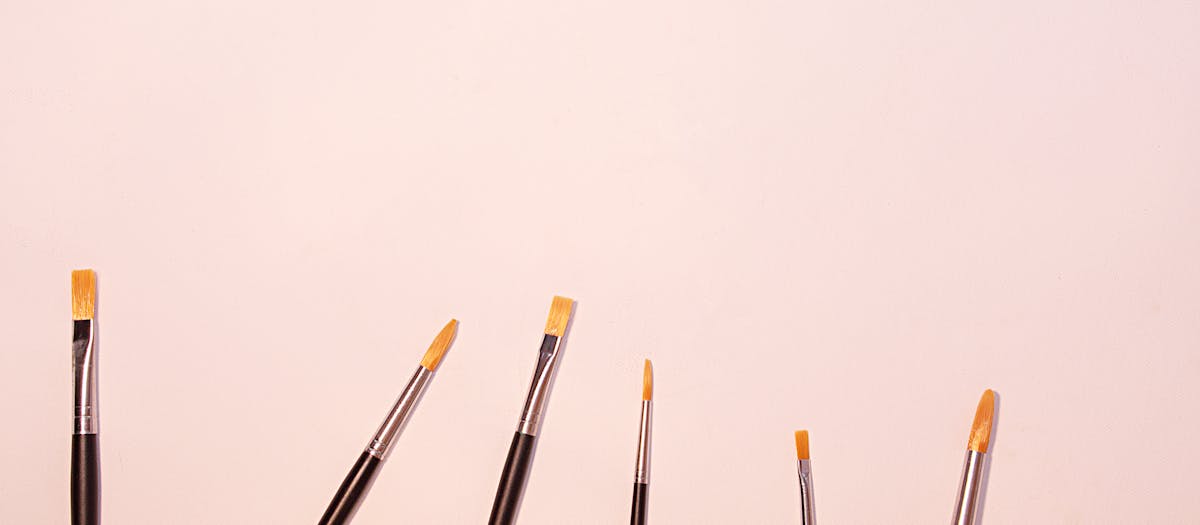
A brush is the cheapest upgrade in the hobby and the one most beginners overlook. The right brush, kept in good shape, does more for clean results than any single pot of paint. This hub breaks a brush down into the parts that matter — bristle, size, tip and handle — explains the difference between synthetic and sable, and covers the care habits that decide whether a brush lasts months or years.
Brush anatomy in plain terms
Every brush has three parts. The bristles hold and release the paint and form the point you paint with. The ferrule is the metal band that clamps the bristles to the handle — and keeping paint out of it is the single most important care habit. The handle is what you grip; for miniatures a shorter handle gives better control up close.
Synthetic versus sable
The biggest choice is what the bristles are made of.
- Synthetic bristles are cheap, durable and forgiving. They hold a fine enough point for most work, survive rougher use, and are the right place for a beginner to start. Modern synthetics have come a long way and many painters never feel the need to upgrade.
- Natural sable holds a finer point and carries more paint, releasing it in a smooth, controlled flow that experienced painters value for blending. The trade-off is cost and care — sable needs gentle handling and proper cleaning, and it punishes neglect faster than synthetic.
Start synthetic, learn good technique, then treat yourself to a sable detail brush once your control has grown. A sable in careless hands is just an expensive way to ruin a brush.
The sizes that matter
Brush sizes run by number — the smaller the number, the smaller the brush. You do not need a full range. Three brushes cover almost everything a beginner paints.
- A general brush (around size 1 or 2) for basecoats, larger areas and laying down washes. This is your most-used brush.
- A detail brush (around size 0) for eyes, buckles, fine lines and edge highlights. A good point matters more than a tiny size here.
- A drybrush — an old, worn brush kept only for drybrushing, where you wipe most of the paint off and drag the near-dry bristles across raised detail. Drybrushing destroys a brush, so never use a good one for it.
Tip retention — the spec that matters most
The single most useful quality in a miniature brush is tip retention: whether the bristles snap back to a sharp point after every stroke, or splay and lose their edge. A brush that holds its point lets you paint a crisp line ten strokes in; one that does not turns a detail brush into a smudge tool. Tip retention comes down to bristle quality and care — a fine synthetic or a good sable holds a point, and keeping paint out of the ferrule keeps it that way.
Featured guides
The current published guides in this silo. More land each batch.
Landing next: Best detail brushes, Best synthetic brushes for miniatures, and Best drybrushes.
Brushes for different painters
For a complete beginner
A small synthetic set with a general brush, a detail brush and a spare for drybrushing covers everything while you learn. Spend your money on good technique and a wet palette before an expensive brush — see the primers and palettes hub.
For detail and display work
This is where a sable detail brush earns its price, holding a finer point for longer on eyes and edge highlights. Pair it with well-thinned paint — a great brush cannot rescue paint applied too thick.
For batch and terrain painters
Cheap, tough synthetics you do not mind wearing out are the right call for drybrushing terrain and basing large numbers of models. Save the good brushes for the faces and the trim.
What each brush actually does
Knowing the job each brush is built for stops you ruining a good one. Your general brush lays down basecoats and carries washes into the recesses — it does the bulk of the work and wants a decent point but does not need to be precious. Your detail brush is for the small, careful strokes: eyes, buckles, fine lines and edge highlights, where tip retention earns its keep.
Drybrushing is the odd one out. You load a stiff, near-dry brush, wipe almost all the paint off onto a towel, then drag it lightly across raised detail so only the highest points catch the colour. It is fast, forgiving and brilliant for textured surfaces and metals — but it splays bristles quickly, which is exactly why you keep a retired brush for it and never reach for your detail brush. A separate technique, glazing, uses a very thin paint over a good brush to shift a colour subtly, and that one rewards a brush that holds its point.
Where your brush money is best spent
A common beginner instinct is to buy the most expensive brush available, thinking it will lift their painting. It rarely does on its own. A premium sable in the hands of someone still learning to thin paint and keep the ferrule clean will splay and disappoint as fast as a cheap one. The better order is to spend first on good paint and a wet palette, learn the thinning and care habits, then upgrade to a quality detail brush once your control rewards the finer point. That way the good brush arrives when you can look after it and actually feel the difference. A cared-for synthetic set will see you a long way before then.